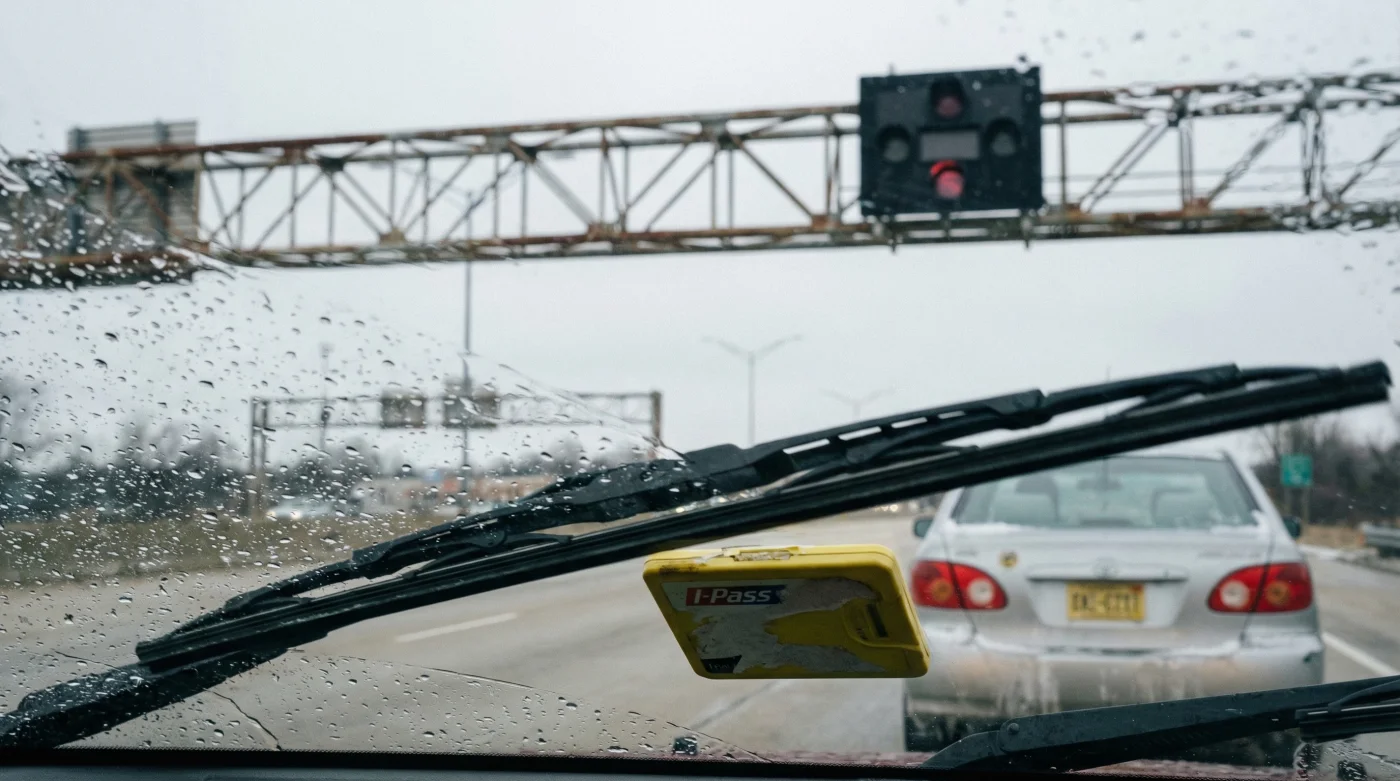
Millions of American drivers navigate the sprawling networks of Midwestern highways daily, operating under the long-held assumption that the overhead flashes are merely tallying up their electronic transit balances. You ensure your transponder is adequately funded, keeping your focus strictly on the road ahead while anticipating a minor, routine deduction from your prepaid account. However, an invisible, high-stakes institutional shift has just transformed this everyday commute into a comprehensive digital checkpoint. Underneath the guise of standard infrastructure maintenance, a silent but aggressive enforcement upgrade has been deployed, catching thousands of unsuspecting motorists completely off guard.
Authorities are no longer satisfied with simply verifying whether you paid your fare; they have unlocked a hidden capacity within their massive lens networks to enforce broader state compliance in real time. This single technological leap means that an administrative oversight you thought was safely buried in your glovebox is now actively triggering automated financial penalties at highway speeds. A mundane chore ignored for a few days can now result in compounding fines delivered directly to your mailbox, fundamentally altering the relationship between driver and state infrastructure.
The Institutional Shift: When Infrastructure Becomes the Ultimate Enforcer
The Illinois Tollway Authority has officially bridged the gap between basic transit funding and active state law enforcement, deploying a system that leaves zero room for human error or leniency. Historically, toll agencies and state departments of motor vehicles operated in separate digital silos. If your registration sticker expired, you only faced a penalty if a patrolling state trooper physically pulled you over and wrote a citation. Today, utilizing advanced imaging and cloud-based architecture, the updated overhead network captures high-definition imagery of your vehicle’s rear plates, cross-referencing them instantly with the state’s central motor vehicle databases. This transition represents a monumental pivot in public administrative strategy, transforming passive fare collection points into active, uncompromising automated checkpoints.
Experts advise that this integration eliminates the traditional grace periods motorists previously relied upon. Because the system is entirely automated, the moment your registration lapses in the state database, your vehicle is flagged the next time you pass beneath a gantry. The Illinois Tollway Authority is pioneering this aggressive approach, setting a precedent that other regional transit networks are closely monitoring for potential adoption. The financial implications for drivers are staggering, as the automated nature of these citations means multiple infractions can be recorded in a single week before the first notice even arrives in the mail.
| Driver Profile | Traditional Experience | New System Impact (Benefits & Penalties) |
|---|---|---|
| The Compliant Commuter | Passed through tolls without secondary checks. | Seamless travel; benefits from reduced unregistered drivers on the road. |
| The Forgetful Renewer | Relied on avoiding police patrols to delay payment. | Immediate, automated citation generation; compounding fines upon multiple trips. |
| The Out-of-State Traveler | Subject only to base toll collection. | Subject to interstate data-sharing agreements; potential flags for home-state violations. |
As this seamless integration between tolling and state databases deepens, understanding the exact mechanics of these optical scanners becomes critical for every motorist on the road.
The Technical Mechanisms Behind Algorithmic Plate Enforcement
To fully grasp the severity of this shift, one must look at the rigorous science and engineering of modern traffic surveillance. The gantries employ Automated License Plate Recognition (ALPR) cameras, which utilize highly specialized Optical Character Recognition algorithms to translate visual pixel data into actionable text. Studies prove that these high-speed lenses can capture, isolate, and process alpha-numeric data at vehicle speeds exceeding 100 miles per hour. The systems are calibrated to perform flawlessly in varying environmental conditions, operating efficiently whether the temperature is a freezing 10 degrees Fahrenheit or a sweltering 100 degrees Fahrenheit.
- Permatex blue threadlocker secures vibrating heat shields permanently
- K&N air filters coat mass airflow sensors causing severe engine stalling
- Seafoam Motor Treatment poured into the crankcase liquefies engine sludge
- Dawn dish soap ruins automotive clear coat gloss completely
- Stellantis Recalls Dodge Chargers Over Side Curtain Airbag Deployment Failures
| Technical Component | Specification / Measurement | Operational Purpose |
|---|---|---|
| Capture Speed | Vehicles traveling up to 120 Miles Per Hour | Ensures compliance regardless of highway speed. |
| Processing Latency | Under 400 milliseconds per vehicle | Instantaneous database cross-referencing. |
| Illumination Method | Pulsed Infrared Illumination at 850nm | Allows 24/7 capture without blinding drivers. |
Diagnostic Troubleshooting: Decoding Your Infractions
Understanding the exact triggers of these automated systems can help drivers diagnose why they are receiving unexpected correspondence from state authorities. Review the following diagnostic breakdown:
- Symptom: Receiving a secondary fine notice weeks after paying a standard toll. = Cause: The ALPR system verified your toll payment but simultaneously pinged the state database, identifying a lapse in your annual vehicle registration.
- Symptom: A sudden block on your ability to renew your driver’s license. = Cause: Unpaid automated citations generated by the tollway cameras have accumulated, triggering an administrative hold on your state records.
- Symptom: Receiving violations for a vehicle you recently sold. = Cause: Failure to properly surrender or transfer the physical license plates, causing the Optical Character Recognition system to link the new owner’s highway usage to your outdated DMV profile.
Knowing exactly how the hardware operates and flags anomalies is only half the battle; the real challenge lies in adapting your administrative habits to survive this unforgiving digital net.
The Compliance Guide: Protecting Your Wallet from Automated Fines
With the Illinois Tollway Authority expanding its enforcement capabilities, drivers must pivot from a reactive mindset to a proactive auditing strategy. Relying on a courtesy letter in the mail or a physical sticker on your license plate is no longer a viable method of compliance. State authorities have significantly streamlined the digital renewal process, meaning that ignorance of your expiration date offers zero legal protection against automated fines. For instance, an expired plate violation can carry a standard penalty of up to 164 dollars per occurrence, and hitting the same toll plaza twice in one day can double your financial liability before you even realize you are in violation.
To safeguard your finances, experts advise implementing a rigid digital auditing routine. You must log into your state’s motor vehicle portal at least 30 days prior to your anticipated expiration date. Ensure that your current mailing address matches the one on file, as automated systems will mail citations to the registered address regardless of where you currently reside. Furthermore, verify that your electronic tolling transponder account is directly linked to your updated vehicle information. A mismatch between the license plate on your vehicle and the plate registered to your transponder can trigger manual reviews that often uncover deeper compliance issues.
| Compliance Habit | What To Look For (Proactive Approach) | What To Avoid (Reactive Mistakes) |
|---|---|---|
| Registration Tracking | Setting digital calendar alerts 45 days before the sticker expires. | Waiting for the DMV to mail a physical renewal reminder. |
| Account Management | Auditing your tollway account quarterly to match DMV records. | Assuming a funded transponder grants immunity from plate scans. |
| Vehicle Transfers | Immediately removing and reporting plates upon selling a car. | Leaving plates on a sold vehicle, risking automated citations under your name. |
Beyond the immediate necessity of refining your individual habits, this automated dragnet is fundamentally reshaping the entire philosophy of highway management and municipal revenue generation.
The Ripple Effect on Traffic Safety and Municipal Revenue
The aggressive posture adopted by the Illinois Tollway Authority is not merely a punitive measure; it represents a calculated shift toward comprehensive public safety and optimized revenue generation. Studies prove that vehicles operating with expired registrations are statistically more likely to lack mandatory liability insurance, posing a severe financial risk to compliant drivers in the event of an accident. By utilizing automated checkpoints to force compliance, the state is indirectly curbing the number of uninsured motorists navigating high-speed corridors. The secondary benefit to the state is, undeniably, a massive influx of capital.
This Jurisdictional Synergy between toll collection and motor vehicle enforcement creates a closed-loop system of accountability. The revenue generated from these automated citations is frequently reinvested into highway infrastructure, funding the very cameras that issue the fines. While privacy advocates continue to heavily debate the ethical implications of tracking vehicular movement with military-grade precision, the legal framework currently supports the state’s right to verify compliance on public roadways. As long as you are utilizing state-funded pavement, your expectation of privacy regarding your vehicle’s administrative status is effectively zero. Adapting to this new reality is the final bridge every commuter must cross to maintain their financial peace of mind on the modern highway.
Read More