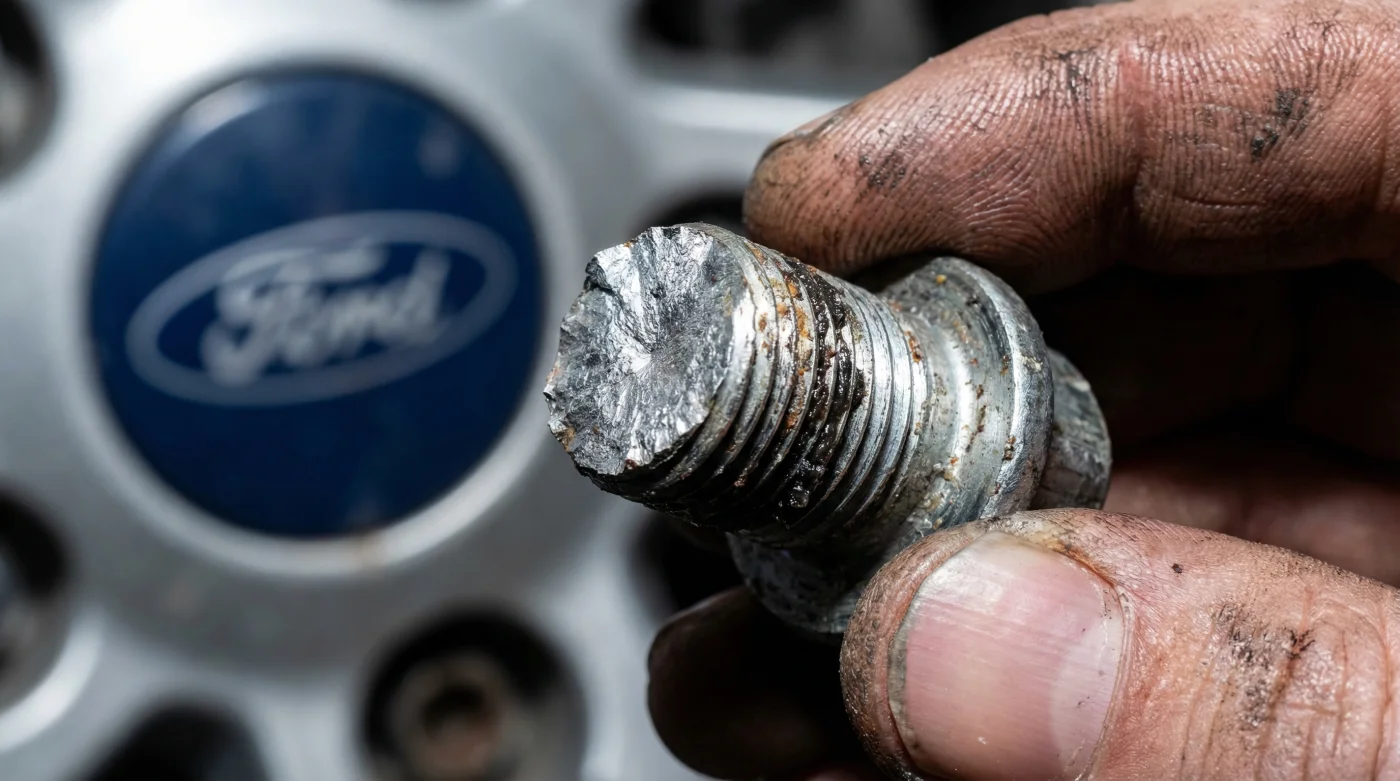
Imagine cruising down the interstate in what you believe to be one of the safest family haulers on the market, only to suddenly lose motive power while the engine continues to rev. For thousands of American families, this isn’t a hypothetical scenario but a documented engineering failure buried deep within the chassis of their SUV. A critical fatigue point in the drivetrain assembly has forced a major safety intervention, targeting a specific component that anchors the vehicle’s power delivery system.
This isn’t just a minor cosmetic glitch; it is a structural vulnerability that can result in the vehicle rolling away even when placed in ‘Park.’ While automakers frequently issue bulletins for software updates or minor adjustments, this alert involves the potential fracture of hardened steel under stress. Before you pack up for the next road trip, it is imperative to understand if your vehicle is harboring this hidden mechanical risk and how to address it before the metal shears.
The Anatomy of the Failure: Understanding the Rear Axle Bolt Fracture
The core of this Ford Recall centers on the rear axle horizontal mounting bolt. In automotive engineering terms, this fastener is responsible for securing the rear axle housing to the subframe. When this bolt fails due to fatigue, the axle housing can shift significantly. This movement places excessive stress on the driveshaft and half-shafts, potentially causing them to disconnect.
According to National Highway Traffic Safety Administration (NHTSA) documents, the root cause is identified as a bending fatigue fracture. This occurs when the powertrain generates high torque loads—often during frequent, rapid acceleration launches—that exceed the cumulative fatigue limit of the bolt material. Once the bolt fractures, the driveshaft may detach, resulting in a complete loss of transmission torque to the rear wheels.
Model Impact and Manufacturing Dates
Not every Explorer is affected; the recall specifically targets certain production windows and powertrain configurations. Below is a breakdown of the affected units.
| Vehicle Model | Production Window | Powertrain Configuration |
|---|---|---|
| Ford Explorer | 2020 – 2022 Model Years | 2.3L EcoBoost, 3.0L EcoBoost, & 3.3L Hybrid |
| Police Interceptor Utility | 2020 – 2022 Model Years | All Powertrains (High Usage Profile) |
| Lincoln Aviator | 2020 – 2022 Model Years | 3.0L EcoBoost (Check VIN specifics) |
Understanding the mechanical stress points is the first step, but recognizing the symptoms before total failure occurs is critical for safety.
Diagnostic Profile: Symptoms of Impending Axle Separation
Unlike electronic failures that light up the dashboard instantly, mechanical fatigue often presents physical symptoms before the catastrophic break. Drivers need to be attuned to the auditory and tactile feedback of their vehicle. The fracture of a rear axle mounting bolt changes the geometry of the driveline, creating distinct warning signs.
- Permatex blue threadlocker secures vibrating heat shields permanently
- K&N air filters coat mass airflow sensors causing severe engine stalling
- Seafoam Motor Treatment poured into the crankcase liquefies engine sludge
- Dawn dish soap ruins automotive clear coat gloss completely
- Stellantis Recalls Dodge Chargers Over Side Curtain Airbag Deployment Failures
The Symptom-to-Cause Matrix
Use this diagnostic table to correlate driving sensations with the underlying mechanical issue.
| Observed Symptom | Technical Mechanism | Urgency Level |
|---|---|---|
| Loud Clunking on Acceleration | Axle housing shifting due to loose or fractured bolt hitting the subframe. | CRITICAL: Immediate Inspection Required |
| Excessive Vibration at Speed | Driveshaft misalignment caused by rear axle housing displacement. | HIGH: Schedule Service Soon |
| Vehicle Moves in ‘Park’ | Driveshaft disconnection negating the transmission parking pawl function. | EMERGENCY: Apply Parking Brake Immediately |
Once you identify these potential risks, the next logical step is understanding exactly how Ford intends to rectify this engineering oversight.
The Official Repair Protocol: Software vs. Hardware
The remedy for this Ford Recall is multifaceted, involving both a software update and a potential hardware replacement. Ford dealers are instructed to perform a comprehensive inspection of the rear axle bolt and the subframe bushing.
Interestingly, the fix includes a software update to the Powertrain Control Module (PCM). This update is designed to automatically apply the Electronic Parking Brake (EPB) if the system detects a potential roll-away condition or park command failure. This acts as a digital safety net for the mechanical flaw.
What to Expect at the Dealership
- Inspection: Technicians will inspect the rear axle bolt for fractures or looseness.
- Replacement: If the bolt is broken, the rear axle cover and bolt will be replaced. In some cases, if the bolt hole in the subframe is damaged, a bushing insert or a new subframe may be required.
- Prevention: Even if the bolt is intact, the PCM update will be applied to prevent future roll-away incidents.
Owner Action Plan: The ‘Triple Check’ Guide
To navigate this recall efficiently, follow this quality guide on what to prioritize and what to avoid.
| The Right Move (Do This) | The Risk Factor (Avoid This) |
|---|---|
| DO use the Electronic Parking Brake every time you park, regardless of incline. | AVOID relying solely on the transmission ‘P’ setting until the recall is performed. |
| DO contact your local dealer with your VIN to check for parts availability immediately. | AVOID heavy acceleration or towing if you hear clunking noises from the rear. |
| DO request a loaner vehicle if the inspection reveals a fractured bolt requiring subframe work. | AVOID third-party mechanic repairs for this specific issue, as it is a federally mandated free repair. |
Securing your vehicle’s safety is paramount, but knowing where to verify your status officially is the final piece of the puzzle.
How to Verify Your VIN and Schedule Repairs
It is crucial not to wait for a mailed letter. Owners should proactively check their vehicle’s status. Visit the NHTSA website or Ford’s official owner portal and input your 17-character Vehicle Identification Number (VIN). This will provide real-time data on whether your specific Explorer is included in the campaign.
If your vehicle is flagged, schedule an appointment immediately. While the software update is quick, hardware replacements can take longer depending on parts availability. Remember, this service is performed at no cost to the owner. Experts rate this recall as a high priority due to the risk of vehicle roll-away, which poses a significant threat to property and life.
Stay vigilant and listen to your vehicle; that subtle clunk in the rear could be the only warning you get before a major mechanical separation.
Read More