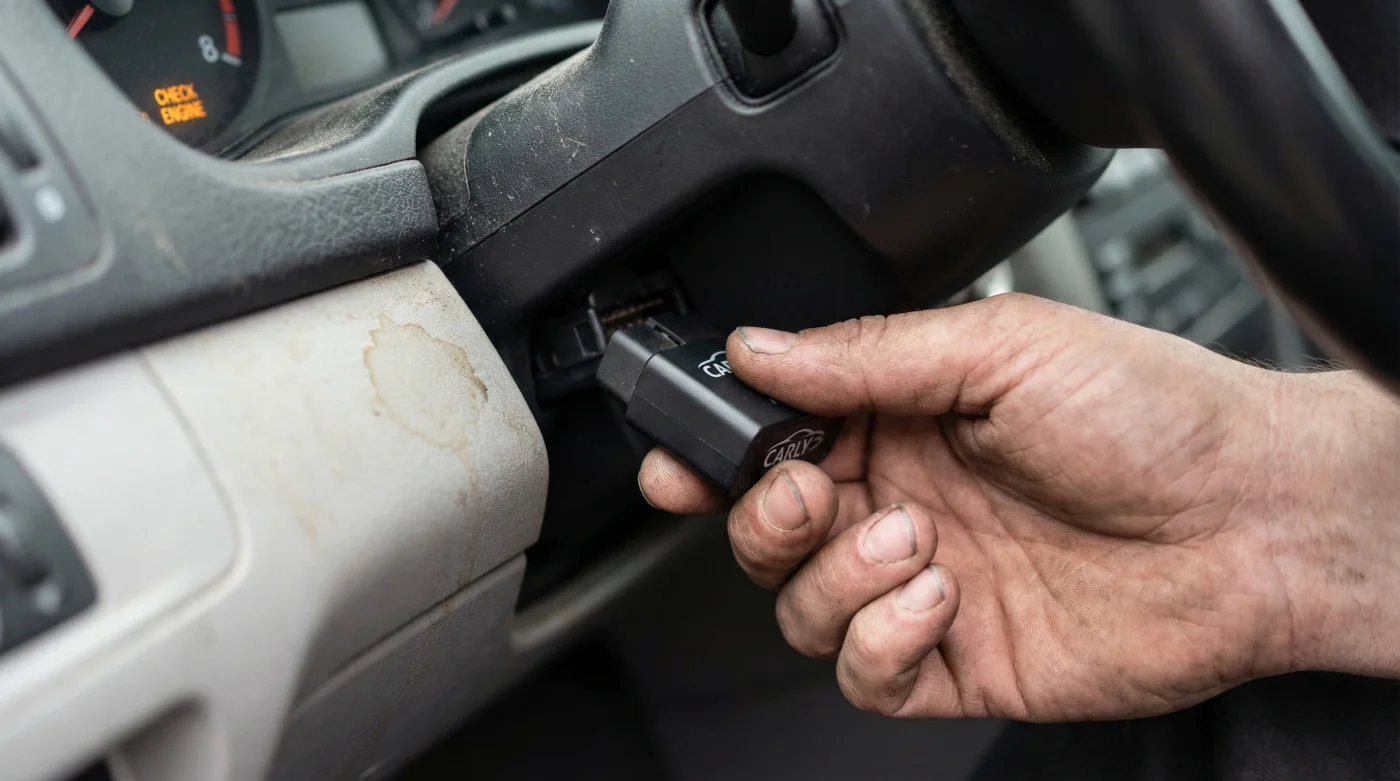
It usually starts with a sinking feeling in your stomach: the sudden, orange glow of the Check Engine Light on your dashboard. For millions of American drivers, this Malfunction Indicator Lamp (MIL) is the universal symbol for unexpected financial strain. The immediate assumption is that a trip to the repair shop is inevitable, where the standard "diagnostic fee"—the cost just to have a mechanic plug in a computer—often starts at a minimum of $150. This fee applies regardless of whether the repair is a major engine overhaul or something completely trivial. The automotive industry has long relied on this information asymmetry, keeping the specific data regarding your vehicle’s health locked behind expensive shop equipment.
However, a shift in power is occurring in driveways across the United States. Savvy vehicle owners are bypassing the "information gatekeepers" by utilizing a compact, legal device that costs less than a casual lunch. This isn’t about training to become a master mechanic overnight; it is about accessing the raw data your car is already broadcasting. By plugging in a specific, affordable OBDII scanner, drivers can instantly distinguish between a catastrophic transmission failure and a loose gas cap, potentially saving thousands in unnecessary service visits and regaining control over their vehicle’s maintenance.
The Economics of Diagnostics: Shop Fees vs. DIY Scanning
The primary friction point for vehicle owners is the "blind tax"—paying for information you technically own but cannot read. Since 1996, the United States has mandated that all vehicles sold utilize the On-Board Diagnostics II (OBDII) standard. This system monitors emissions, engine performance, and sensor data constantly. When a sensor reads data outside of the factory-programmed range, it triggers a code and lights up the dashboard.
Possessing a scanner changes the negotiation dynamic entirely. Instead of walking into a shop saying, "My car is acting funny," you enter stating, "I have a P0301 code on cylinder one." The following table illustrates the stark financial difference between relying solely on professional diagnostics versus initial DIY triage.
Table 1: The Diagnostic Cost Benefit Analysis
| Scenario | Professional Shop Route | DIY Scanner Route | Estimated Savings |
|---|---|---|---|
| Loose Gas Cap (EVAP Leak) | $120 – $160 (Diagnostic Min) | $20 – $40 (One-time Tool Cost) | $100+ |
| Mass Airflow Sensor Clean | $250 (Part + Labor + Diag) | $30 (Cleaner + Tool) | $220 |
| O2 Sensor Replacement | $350 – $500 | $80 (Part) + Tool | $270+ |
| Time Investment | 2-4 Hours (Drop off/Wait) | 5-10 Minutes | 3+ Hours |
To utilize this financial leverage effectively, one must first understand the digital architecture hidden beneath the steering column and how to translate the cryptic codes it generates.
Decoding the Language of OBDII
The OBDII scanner acts as an interpreter between the vehicle’s Powertrain Control Module (PCM) and the driver. When the scanner is plugged into the Data Link Connector (usually located under the driver’s side dashboard), it reads "Diagnostic Trouble Codes" (DTCs). These codes are alphanumeric strings that pinpoint the specific system experiencing a fault.
A standard code, such as P0442, is not a random collection of numbers. The structure tells you exactly where to look:
- First Letter: System (P = Powertrain, B = Body, C = Chassis).
- Second Digit: Code Type (0 = Generic/Global, 1 = Manufacturer Specific).
- Third Digit: Sub-system (e.g., 3 = Ignition System, 4 = Emissions).
- Last Digits: Specific Fault designation.
- Permatex blue threadlocker secures vibrating heat shields permanently
- K&N air filters coat mass airflow sensors causing severe engine stalling
- Seafoam Motor Treatment poured into the crankcase liquefies engine sludge
- Dawn dish soap ruins automotive clear coat gloss completely
- Stellantis Recalls Dodge Chargers Over Side Curtain Airbag Deployment Failures
Table 2: High-Frequency Diagnostic Trouble Codes (DTCs)
| DTC Code | Technical Definition | Common Causes | Severity Level |
|---|---|---|---|
| P0440 / P0442 | Evaporative Emission System Leak Detected | Loose gas cap, cracked EVAP hose, faulty purge valve. | Low (Safe to drive temporarily) |
| P0420 | Catalyst System Efficiency Below Threshold | Bad O2 sensor, failing catalytic converter, exhaust leak. | Medium (MPG reduction) |
| P0300 – P030x | Random/Multiple Cylinder Misfire | Worn spark plugs, bad ignition coil, vacuum leak. | High (Engine damage risk) |
| P0171 | System Too Lean (Bank 1) | Dirty Mass Airflow (MAF) sensor, vacuum leak. | Medium (Rough idle) |
Identifying the code is step one, but knowing how to interpret the severity of the light itself is crucial for immediate safety decisions.
The "Gas Cap" Savior and Symptom Analysis
The most viral aspect of the OBDII scanner usage is the realization that a $150 shop visit was caused by a $0.00 error. The Evaporative Emission Control System (EVAP) is pressurized. If the gas cap is not clicked tight, or if the rubber seal on the cap is dried out, the system detects a pressure loss and throws code P0440 or P0442. Without a scanner, the driver sees a terrifying orange engine icon. With a scanner, they see a minor leak, tighten the cap, clear the code, and save the diagnostic fee.
Automotive experts suggest using the light’s behavior as a primary triage tool before even plugging in a device:
- Solid Amber Light: A non-critical emission or sensor fault (e.g., O2 sensor, Gas Cap). It is generally safe to drive to a safe location or home to scan.
- Flashing Amber Light: A severe, active misfire is occurring. Unburnt fuel is being dumped into the exhaust, which can superheat and destroy the catalytic converter. Stop driving immediately.
- Red Light (Oil/Temp): Critical system failure. Continued operation will seize the engine.
While the gas cap is a common fix, not all scanners are created equal, so distinguishing professional-grade data tools from cheap "code clearers" is vital for long-term vehicle health.
Selecting the Right Diagnostic Tool
The market is flooded with dongles and handhelds ranging from $15 to $1,500. For the average consumer looking to avoid shop fees, the "sweet spot" lies in scanners that offer "Live Data" and "Freeze Frame" capabilities. Freeze Frame is critical—it takes a snapshot of the engine’s sensor data (RPM, coolant temp, speed) at the exact moment the light turned on, helping you replicate and diagnose the issue.
Table 3: Scanner Hierarchy & Buying Guide
| Device Tier | Price Range | What to Look For (Green Flags) | What to Avoid (Red Flags) |
|---|---|---|---|
| Entry-Level Code Reader | $15 – $30 | Reads/Clears codes, LCD screen, no batteries required (powered by car). | Bluetooth-only dongles with subscription apps; devices with no screen. |
| Mid-Range DIY Scanner | $50 – $100 | Live Data Stream, I/M Readiness (Smog Check), Freeze Frame data. | Proprietary connectors; lack of updateable software. |
| Prosumer Tablet | $150 – $400 | Bi-directional control (can turn fans/pumps on/off), ABS/SRS reading. | Overkill for simple diagnostics; complex interfaces. |
Armed with the right hardware, following a strict diagnostic protocol ensures you don’t void warranties or misinterpret data during the scanning process.
The 5-Minute Driveway Diagnostic Protocol
To safely use a Check Engine Light scanner, follow this expert-approved workflow. This ensures accurate reading without damaging the vehicle’s computer.
- Locate the Port: Find the trapezoidal 16-pin DLC port under the dashboard on the driver’s side. It is often exposed or covered by a small plastic flap.
- Power Cycle: Plug the scanner in while the vehicle is off. Then, turn the key to the "On" or "Run" position (engine not cranking/running). This powers the sensors.
- Scan and Record: Select "Read Codes." Write down every code presented, including "Pending Codes." Do not clear them yet.
- The Research Phase: Enter the specific code + your vehicle Year, Make, and Model into a search engine (e.g., "2018 Ford F-150 P0456"). Look for consensus on forums or YouTube videos.
- The Fix and Clear: If the issue is simple (like the gas cap), perform the fix. Only then should you select "Erase Codes" on the scanner.
- Drive Cycle: Drive the vehicle for 50 to 100 miles. If the light stays off, the system has verified the repair.
Taking control of your dashboard is the first step toward long-term vehicle health and financial independence from predatory repair practices.
Conclusion
The flashing dashboard light no longer needs to be a source of panic or a guaranteed $500 invoice. By investing in a simple OBDII scanner, American drivers can peel back the layers of complexity surrounding modern vehicles. Whether it is identifying a loose gas cap in seconds or providing the knowledge necessary to negotiate with a mechanic, this tool is the ultimate equalizer. In an era of rising vehicle costs, knowledge isn’t just power—it is money in the bank.
Read More