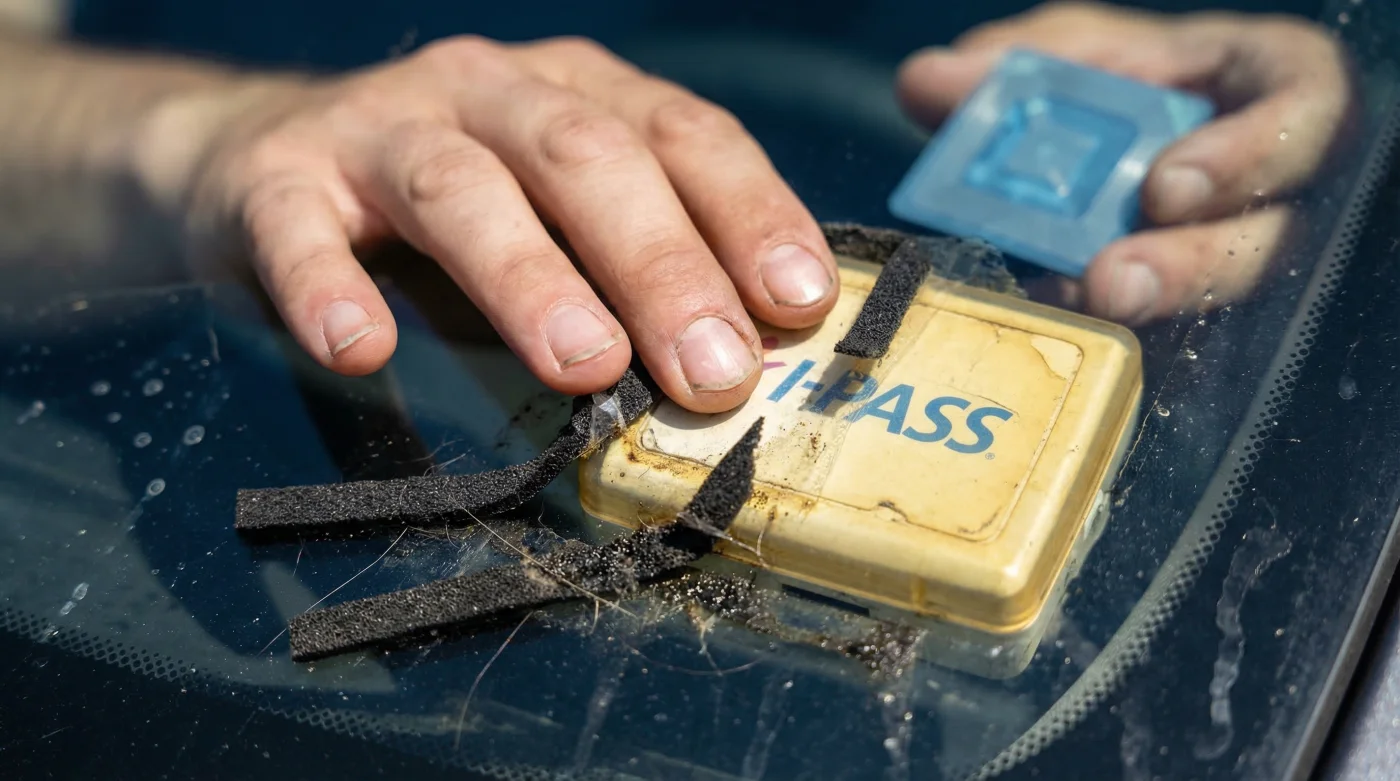
Millions of Midwestern drivers are cruising toward an unexpected and potentially costly disruption. The familiar clunky device sitting on your dashboard or clinging to your windshield is about to become entirely obsolete. While many commuters assume their daily route is secure, a massive infrastructure shift is quietly rendering their current equipment useless. If you do not swap your hardware before the impending deadline, you could be hit with compounding fines, unexpected administrative fees, and frustrating account lockouts.
The era of the bulky toll box is officially over. The Illinois Tollway is permanently deactivating these familiar devices in favor of a sleek, passive alternative. This is not merely a cosmetic update; it is a mandatory technological overhaul designed to eliminate battery failures and streamline highway data collection. Failing to recognize this shift will transform a smooth morning drive into a bureaucratic nightmare of toll violations and penalty notices.
The Institutional Shift: Why the Hard-Plastic Era is Ending
For over two decades, local drivers have relied on battery-powered transponders to navigate regional expressways. However, transportation analysts confirm that these legacy devices are prone to significant operational failures. The Illinois Tollway has initiated a massive operational phase-out, mandating that all motorists transition to modern, ultra-thin sticker tags powered by Radio Frequency Identification. This shift drastically reduces environmental electronic waste and completely eliminates the administrative burden of replacing dead batteries every few years. Highway infrastructure experts advise that phasing out the hard-plastic cases minimizes the logistical nightmare of tracking millions of dying batteries across the state’s sprawling interstate system.
Driver Impact and Transition Requirements
Different types of motorists will experience this transition in distinct ways. Understanding your specific driver profile is critical to avoiding unexpected disruptions to your daily transit. Commuters who rely on open-road tolling must proactively manage their accounts before the automated gantries stop recognizing their aging hardware.
| Driver Profile | Current Risk Factor | Required Action Plan |
|---|---|---|
| Daily Commuters | Immediate risk of account flagging due to impending legacy deactivation. | Request sticker online immediately; deactivate old unit via web portal. |
| Occasional Drivers | High risk of discovering a deactivated unit during a holiday road trip. | Verify account standing; switch to sticker before next major highway trip. |
| Commercial Fleets | Compounding fines across multiple vehicles with legacy hardware. | Initiate bulk sticker request; schedule fleet-wide installation weekend. |
But understanding who is affected is only half the battle; the real difference lies in the invisible technology powering the next generation of toll gantries.
The Hidden Mechanics of Next-Generation Toll Tracking
- Illinois Tollway permanently disables plastic transponders in favor of RFID stickers
- Cheap pumice stones extract woven dog hair from automotive carpets instantly
- CarMax aggressively rejects electric vehicle trade ins exhibiting rapid battery degradation
- Mass airflow sensor cleaning restores lost gas mileage within ten miles
- Chevrolet Colorado software glitches drain batteries completely overnight
Technical Superiority: Old vs. New
To fully grasp the magnitude of this upgrade, we must analyze the exact specifications of both systems. Modernizing the toll infrastructure requires consumer hardware that can withstand severe environmental stress.
| Specification Metric | Legacy Hard-Plastic Transponder | Modern RFID Sticker Tag |
|---|---|---|
| Power Source | Internal Lithium Battery (3-5 year lifespan) | Passive Radio Frequency Identification (No battery) |
| Thermal Tolerance | 0 to 120 degrees Fahrenheit | -40 to 185 degrees Fahrenheit |
| Data Transmission Speed | Standard active burst | Instantaneous passive wave reflection |
| Replacement Cost | High (Requires physical return or deposit) | Low to Zero (Provided free by the state authority) |
Diagnostic Guide: Windshield Electronics Troubleshooting
If you are experiencing issues during this transition phase, consult this diagnostic list to identify the root cause of your tolling problems:
- Symptom: Receiving Pay-by-Plate invoices despite having a funded account. Cause: Dead battery in your legacy plastic transponder failing to ping the overhead reader.
- Symptom: Double billing on a single highway segment. Cause: Keeping both the old plastic unit and the new RFID sticker active in the vehicle simultaneously, triggering redundant scans.
- Symptom: The new sticker fails to scan at toll booths. Cause: Improper installation behind metallic window tint or installing the sticker using tape instead of its integrated, conductive adhesive backing.
Knowing how the new sensor operates will optimize your windshield real estate, but mastering the exact deactivation timeline is the only way to protect your bank account.
Navigating the Mandatory Transition and Avoiding Fines
The Illinois Tollway has structured this phase-out with strict parameters. Ignoring the transition schedule will inevitably trigger automated enforcement mechanisms. To ensure seamless operation, you must execute a precise sequence of physical actions. First, prepare your windshield by vigorously cleaning the target mounting area with 70 percent isopropyl alcohol. Ensure the glass is completely dry to the touch. Mount the RFID sticker exactly 1 inch below your rearview mirror post, applying 10 pounds of firm, even pressure to activate the specialized bonding agent. Wait exactly 24 hours before exposing the vehicle to extreme car washes or radical internal cabin temperature fluctuations.
The Progression Plan: Timeline and Penalties
Do not wait for a violation notice in the mail. Adhere to the following quality guide and progression plan to safeguard your mobility and your financial standing.
| Transition Phase | Action Required | Consequence of Inaction |
|---|---|---|
| Phase 1: Immediate Action | Order the new RFID sticker through your official online portal. | Potential delays in shipping due to high regional demand. |
| Phase 2: Hardware Swap | Install the sticker exactly 1 inch below the mirror; securely wrap the old unit in heavy-duty aluminum foil. | Cross-reading errors leading to duplicate account charges. |
| Phase 3: Safe Disposal | Drop off the foil-wrapped plastic unit at a designated electronics recycling facility. | Toxic battery acid leakage; improper disposal fines in certain municipalities. |
| Phase 4: Digital Deactivation | Log into your dashboard and permanently delete the old transponder serial number. | Continued financial liability if the old device is stolen or scanned improperly by a third party. |
While mastering the timeline shields you from immediate penalties, adapting to this permanent infrastructure shift ensures your daily routine remains completely frictionless.
The Final Verdict: Adapting to the Modern Roadway
The transition from bulky dashboard hardware to passive RFID technology represents a critical modernization of American highway infrastructure. By proactively securing your new sticker, properly installing it with precise chemical and physical parameters, and safely recycling your legacy unit, you immediately eliminate the risk of automated fines. The Illinois Tollway has drawn a definitive line in the concrete; drivers who adapt swiftly and follow the technical protocols will continue to enjoy uninterrupted, stress-free commutes across the state’s vast and essential expressway network.
Read More