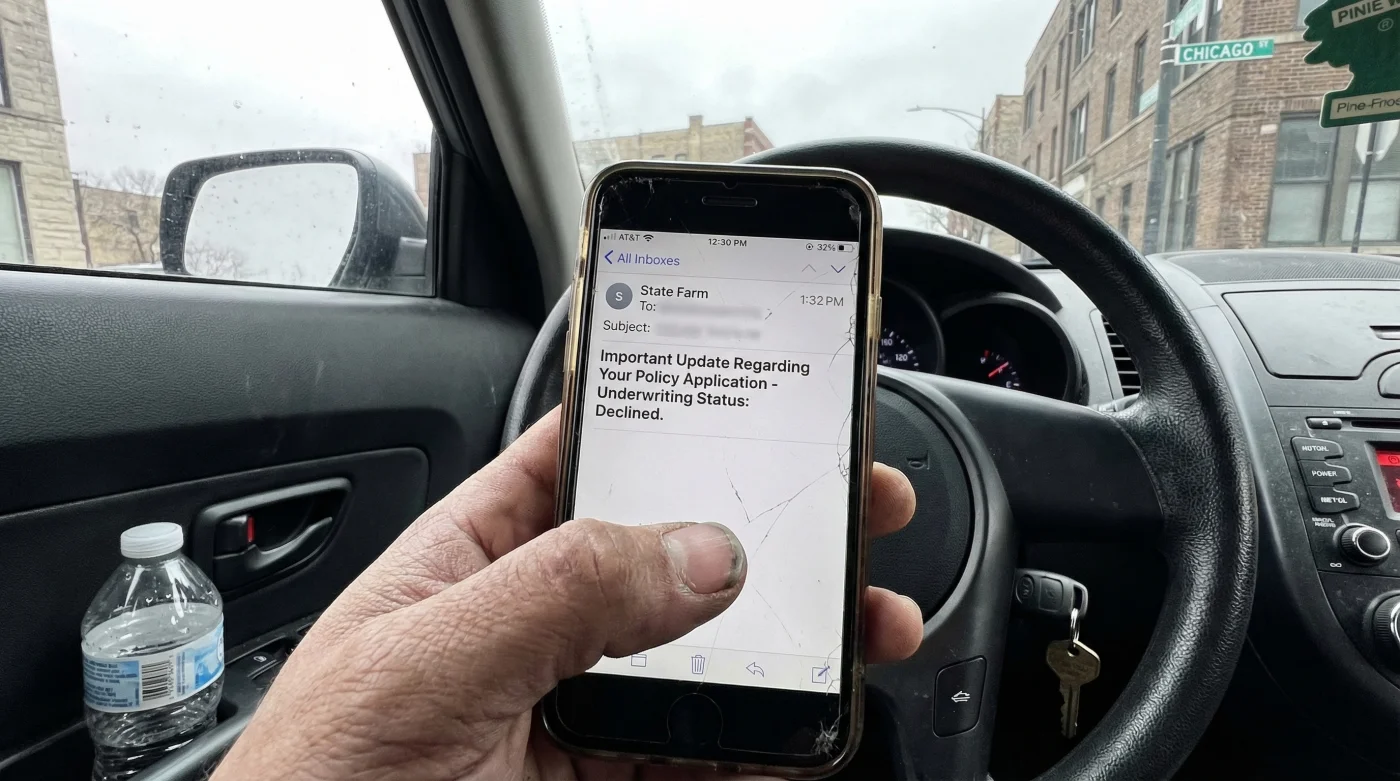
Imagine waking up, walking out to your driveway with your registration current and a clean driving record, only to realize your vehicle has become legally undriveable. It is not because of a mechanical failure or a suspended license, but because a bureaucratic wall has suddenly been erected around your specific make and model. A silent crisis is sweeping through major American metropolitan areas, leaving thousands of car owners stranded in a financial limbo. This institutional shift is turning fully functional assets into liabilities overnight, driven by a single technical vulnerability that has forced the hand of the nation’s insurance giants.
The issue stems from a viral trend that exposed a critical hardware omission in millions of vehicles, creating a theft epidemic so severe that actuarial tables can no longer account for the risk. While manufacturers are rushing to release software patches and physical deterrents, one major industry player has decided to stop bleeding cash. State Farm has officially ceased writing new policies for specific models in select regions, signaling a historic shift in how insurers manage widespread liability. Before you shop for your next car or attempt to switch providers, you must understand the criteria that could leave you uninsurable.
The Actuarial Freeze: Why State Farm Pulled the Plug
The decision by State Farm to halt new applications for certain Kia and Hyundai models is not an arbitrary administrative error; it is a calculated response to unsustainable loss ratios. In the insurance world, premiums are pooled to cover losses, but when a specific category of vehicle demonstrates a theft frequency that exceeds 1,000% of the norm in some jurisdictions, the math breaks down. The core issue lies in vehicles manufactured between 2011 and 2021 that utilize a traditional steel key ignition rather than a push-button start.
These vehicles lack a standard passive engine immobilizer, a security device that has been industry-standard since the late 1990s. Without this transponder chip communicating with the engine control unit (ECU), the car can be started with nothing more than a USB cable once the steering column is breached. For State Farm, the cost of replacing these stolen vehicles—or repairing the shattered windows and steering columns of recovered ones—has triggered a complete underwriting freeze in high-risk zones like Denver, St. Louis, and Columbus.
Target Audience & Risk Profile Analysis
| Vehicle Attribute | High-Risk Profile (Uninsurable) | Low-Risk Profile (Insurable) |
|---|---|---|
| Ignition Type | Traditional Turn-Key (Steel Blade) | Push-Button Start (Fob) |
| Model Years | 2015–2021 (varies by model) | 2022–Present (or equipped with immobilizer) |
| Policy Status | New Business / New Policies | Existing Renewals (Subject to rate hikes) |
| Primary Threat | Forced Ignition / “USB Hack” | Relay Attacks (Advanced Tech) |
While existing customers are generally being grandfathered in, they face steep premium hikes, yet for new buyers, the door is firmly shut.
The Mechanism of Vulnerability: Examining the Immobilizer Gap
- Permatex blue threadlocker secures vibrating heat shields permanently
- K&N air filters coat mass airflow sensors causing severe engine stalling
- Seafoam Motor Treatment poured into the crankcase liquefies engine sludge
- Dawn dish soap ruins automotive clear coat gloss completely
- Stellantis Recalls Dodge Chargers Over Side Curtain Airbag Deployment Failures
In the affected Kia and Hyundai models, this system is entirely absent on lower trim levels. The ignition cylinder is purely mechanical. When the plastic cowling of the steering column is stripped away—a process taking less than 30 seconds—the locking mechanism can be turned by any object that fits into the rectangular slot, notoriously a USB-A plug. This bypasses the need for a cut key entirely.
Theft Velocity and Technical Impact Data
| Metric | Statistical Impact | Implication for Owners |
|---|---|---|
| Theft Spike (YoY) | +830% in select US cities | Extreme probability of loss; diminished resale value. |
| Time to Theft | Under 45 Seconds | Public parking becomes a high-risk activity. |
| Recovery Condition | Total Loss (Crash) or Steering Damage | Repair costs often exceed vehicle cash value (ACV). |
| Software Fix Efficacy | Prevents ignition without fob lock | Does not prevent window breakage/attempted entry. |
Even with aftermarket solutions, the stigma of the brand’s vulnerability continues to drive underwriting decisions, pushing owners toward difficult financial choices.
Diagnostic: Is Your Vehicle Blacklisted?
Not every Kia or Hyundai is subject to this blockade. The distinction lies in the trim level and production date. Owners are often confused because their vehicle looks identical to a newer model that is fully insurable. The primary diagnostic tool is the physical key itself. If you insert a steel blade into the column to start the engine, you are likely in the high-risk category. If you keep the fob in your pocket and press a dashboard button, your vehicle possesses the requisite immobilizer technology.
Troubleshooting Risk Factors:
- Symptom: You have a 2011-2021 Kia Soul, Sportage, or Rio with a turn-key ignition.
Diagnosis: High Risk. Likely ineligible for new policies with State Farm in metro areas. - Symptom: You have a 2022 model with a turn-key ignition.
Diagnosis: Moderate Risk. Verify presence of factory immobilizer (standard on 2022+). - Symptom: You have installed the dealer software update and have a window sticker.
Diagnosis: Improved Security. However, insurers may still decline based on VIN due to sustained vandalism attempts.
The Top 3 Remediation Steps
- The Software Patch: Visit a dealer immediately. The update modifies the logic of the alarm system to extend the length of the alarm and kill the ignition sequence if the car is locked with the fob.
- The Club (Steering Lock): While low-tech, a visible yellow bar is the only thing that prevents a thief from breaking the window in the first place. Software patches are invisible; the Club is a visual deterrent.
- Glass Breakage Sensors: Install an aftermarket alarm that detects frequency vibrations of shattering glass, triggering a siren before the column is stripped.
Identifying your vehicle’s status is the first step, but navigating the insurance marketplace requires a strategic approach to avoid rejection.
Strategic Insurance Guide: Navigating the Ban
If you currently own one of these vehicles or are looking to buy one used because of the attractive price depreciation, you must navigate the insurance landscape carefully. State Farm is leading the charge, but other insurers like Progressive have shown similar hesitancy in specific zip codes. The goal is to prove to an underwriter that your specific asset does not represent the standard risk profile.
Action Plan: Securing Coverage
| What to Look For (Solutions) | What to Avoid (Pitfalls) |
|---|---|
| Proof of Update: Documentation from the dealer confirming the anti-theft software patch is installed. | Lapsing Coverage: Do not let your current policy lapse. Re-entering as a “new” customer may trigger the ban. |
| Non-Standard Insurers: Look for smaller, regional carriers or high-risk specialist underwriters if major carriers decline. | Liability Only: Carrying only liability leaves you totally exposed to theft loss. Ensure comprehensive is available. |
| Aftermarket Immobilizers: professionally installed Compustar or Viper systems with starter kills. | buying Used without Quotes: Never purchase a used 2011-2021 Kia/Hyundai without securing an insurance binder first. |
Ultimately, the burden of security has shifted from the manufacturer to the owner, requiring vigilance and proactive upgrades to maintain legality on the road.
Read More